
In the Details: A Conversation with Bridgette Enevoldsen, Legacy South Design Team
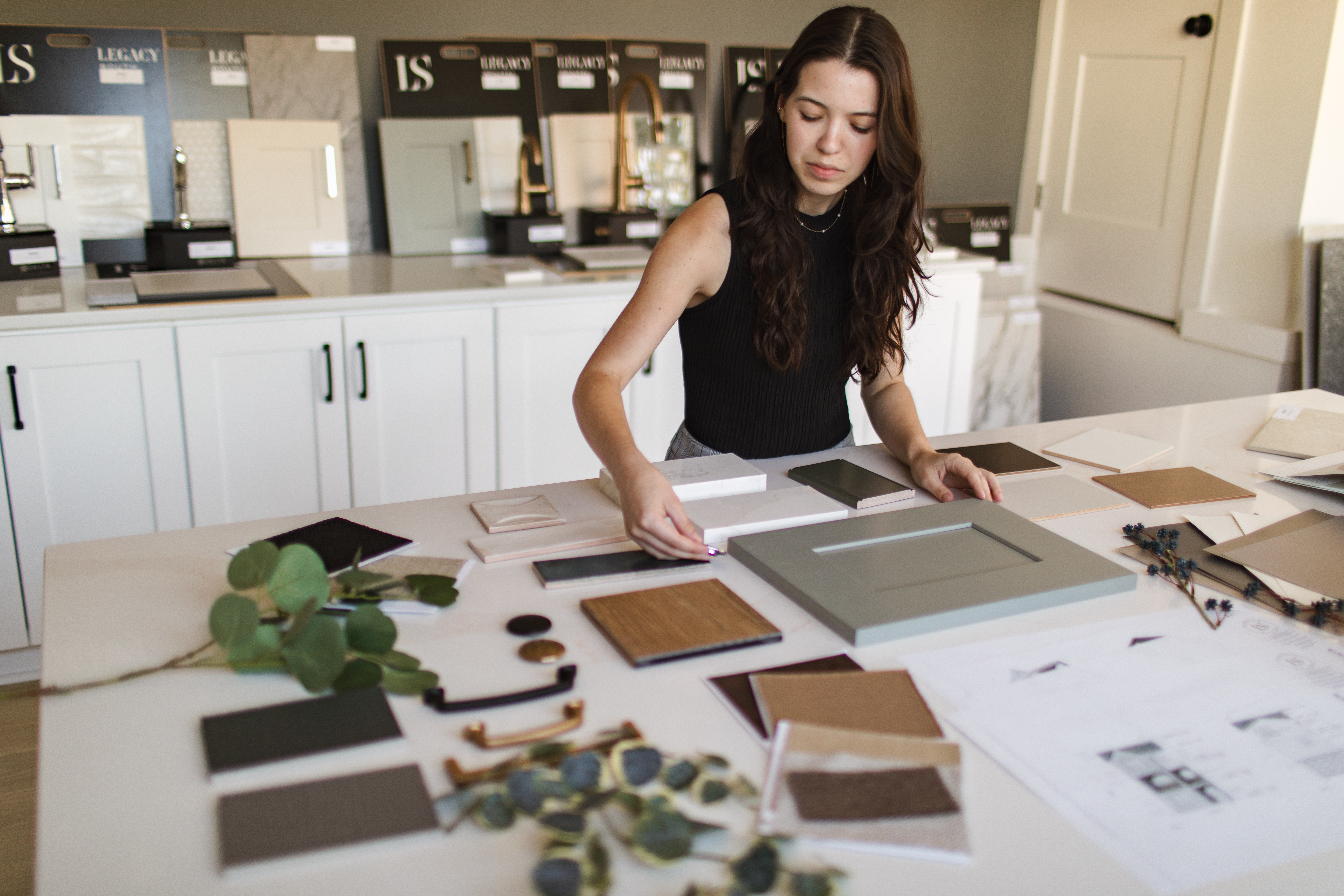 Bridgette in the design studio. Photography: Hannah Kik

The homes in the Courtyard Collection at Highland Gardens didn't happen by accident. Behind every finish, fixture, and floor plan decision is a design team thinking several steps ahead of the buyer. We sat down with Bridgette to talk about how she designs for people she's never met, the difference between a trend and a moment, and the one social shift she wishes would go away.
How did you get into home builder design specifically? What drew you to it over residential or commercial?
My parents have a small residential construction company, so I've grown up in the industry. I prefer residential construction over commercial just because it is so much more personal. This industry allows me to have that level of personalization of a single home, while also curating what an entire community will feel like so it is the best of both worlds.
What's something people assume about your job that isn't quite right?
That we are just focused on aesthetics. We have to balance many factors when choosing what products to spec, including cost, lead times, and durability. While we want our communities to be beautiful and have stunning offerings, we also need to make sure that we don't have a material delay that could in turn delay multiple closings or a product that looks good but causes frequent warranty issues for our homeowners.
How do you create spaces that feel personal and curated when they need to appeal to a wide range of people?
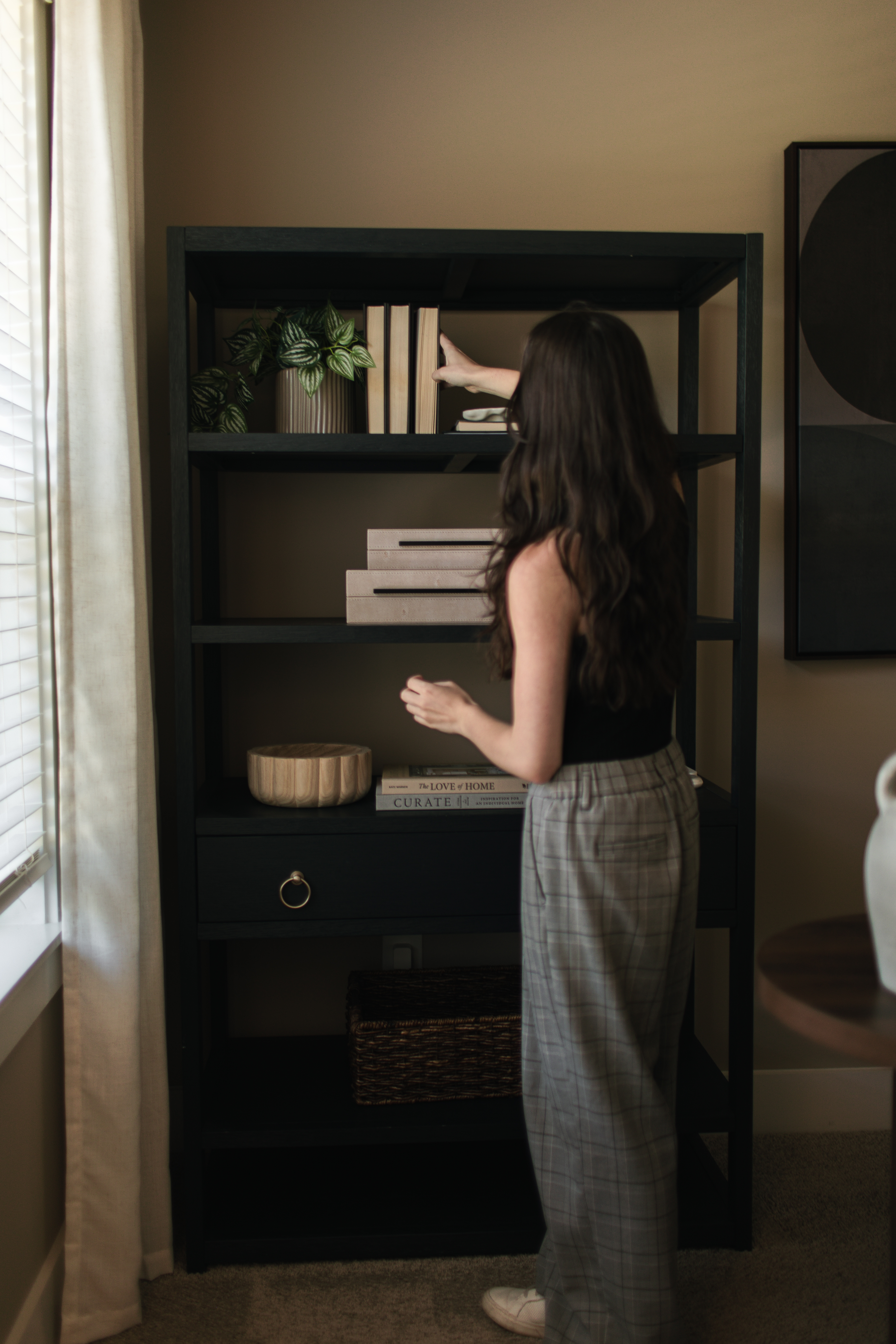
I try to start with the colors or items that I think the most people gravitate towards, and then build on those selections with either a certain design style or color palette in mind. This way the base of the home is still universally appealing, but then hopefully someone will come along who really loves the design style or extra colors I mixed in and then for them it truly is their curated home.
What's the balance between following trends and designing something that holds up over time?
I think as a designer, you have to get really good at identifying what is a microtrend versus what is a global trend. Like right now, the Organic Modern design style is very popular and I am incorporating elements of that into our designs because it isn't a copy paste formula to get an organic modern home, which is what makes it a more global trend. If there was a specific backsplash or wall design or something incredibly distinctive you had to use to achieve the organic modern home, then that would push it into microtrend territory and would be something I would recommend staying away from instead.
Where does your involvement start — are you part of conversations about the floor plan itself, or do you come in once the architecture is set?
We have a very small product development team, so the entire process is very collaborative and fluid. Typically our architect, Coleman, will let us know when he has a rough idea of what the exterior architecture will look like so that we can go ahead and start thinking about what materials we want to use and the overall vibe of the community we would like to create. Once we are both further along in our process, we hold a more official meeting to talk through actual material placement and if there are items that we haven't considered. He'll occasionally ask us for advice about what feels better in a floorplan, but mostly we leave him to it because he is great at what he does. Rachel and I base the interior selections off of what is being offered in the surrounding market and the vibe of the community we are curating, so we just make sure those work well within each floorplan once they are finalized.
How do you approach a model home differently than a production home?
We view our model homes as a chance to showcase what the community has to offer. We've learned that it is really difficult to explain what a structural option will look like, so we try to show as many of those options as we can in our models just to make those conversations easier. Same with our design packages, we want to show some of the more unique ones that are harder to visualize on screen. We do also have to think about the fact that our agents will be holding appointments in these homes, so we have to figure out what space we can use in the floorplan as an office and if we have to make any special modifications to the architecture based on that.
How do selections and finishes get decided — is it collaborative, or do you have a lot of autonomy?
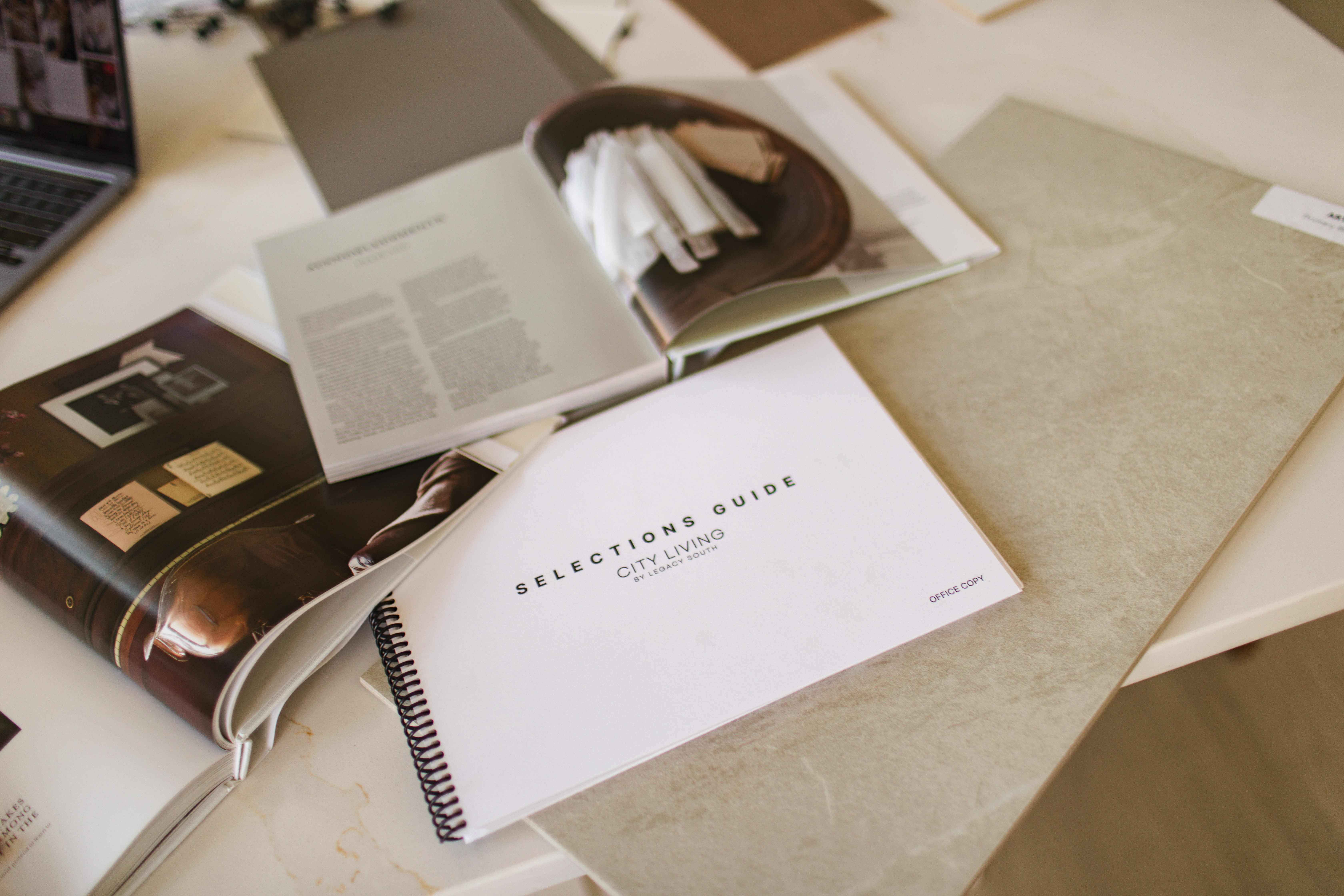
I'd say it is a pretty collaborative process just because there are so many factors to consider, so we end up talking with lots of different teams. One of the main things we have to consider is what is also being sold in the area - we don't want to choose super high-end finishes if that is not what that market is demanding. Sometimes getting this information involves just chatting with our land team, or sometimes it means going out and doing our own research by looking at nearby communities and what they are offering. Once we know the general finish level we are working within, that is when we really get to have our creative time and pick what feels right for the vision we are imagining for the community. From there, we take our ideas and initial selections and pass them off to our purchasing team to get a better estimate of what our cost would be and also to determine if there would be any issues with product availability. And then we just go back and forth with them until we find all the right selections for our community.
What's one trend you wish would go away?
It is less of a trend and more of a social shift, but everyone being so focused on their home's resellability. Everyone is too scared about what future buyers might dislike, that they aren't choosing the things that they actually like to go into their homes. Your home should be a reflection of who you are and the things you enjoy, and it is just so heartbreaking that people feel like they can't do that now.
What space — in any home you've worked on — are you most proud of?
One of our infill homes had this really gorgeous study and we were brainstorming ways we could make it more elevated, so I was given free reign to mess around in Revit and come up with something. I decided to do a more modern take on a coffered ceiling since the overall house design was also a blend of very traditional elements with modern architecture. This was when I was still newly learning Revit, so most of my pride comes from being able to actually figure out how to get everything modeled, but the ceiling turned out amazing! And the study was right off the entryway, so we incorporated some of that design into the tray ceiling in the entryway by mimicking similar ratios in our trim.
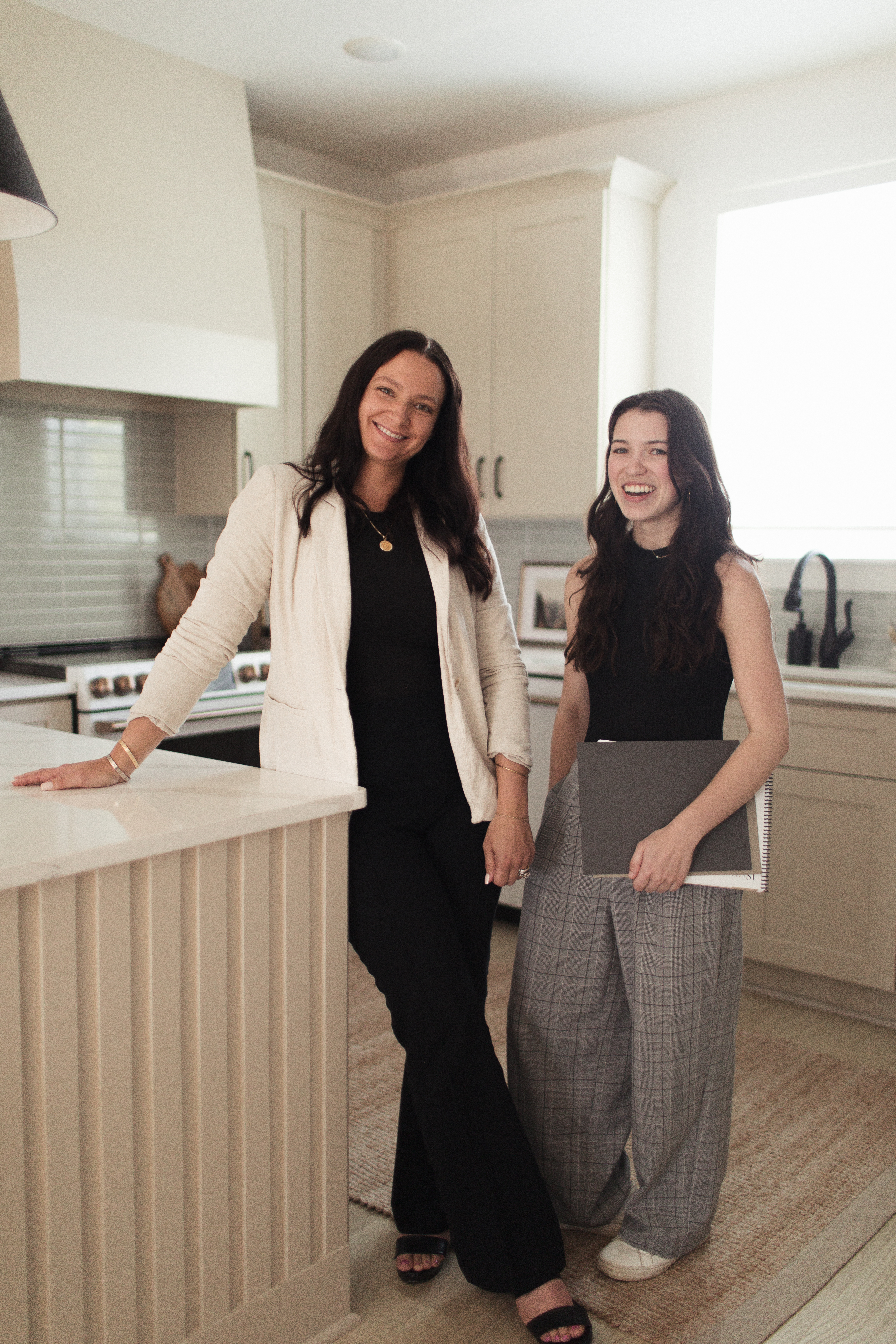
Bridgette is part of the design team behind the Courtyard Collection at Highland Gardens. Explore the community at legacysouth.com.


